The Mammoth Dig
A muddy, music-filled summer of mammoths, teamwork, evening talks, and keeping a dig (and its people) running.
Luke Muscutt · February 14, 2026
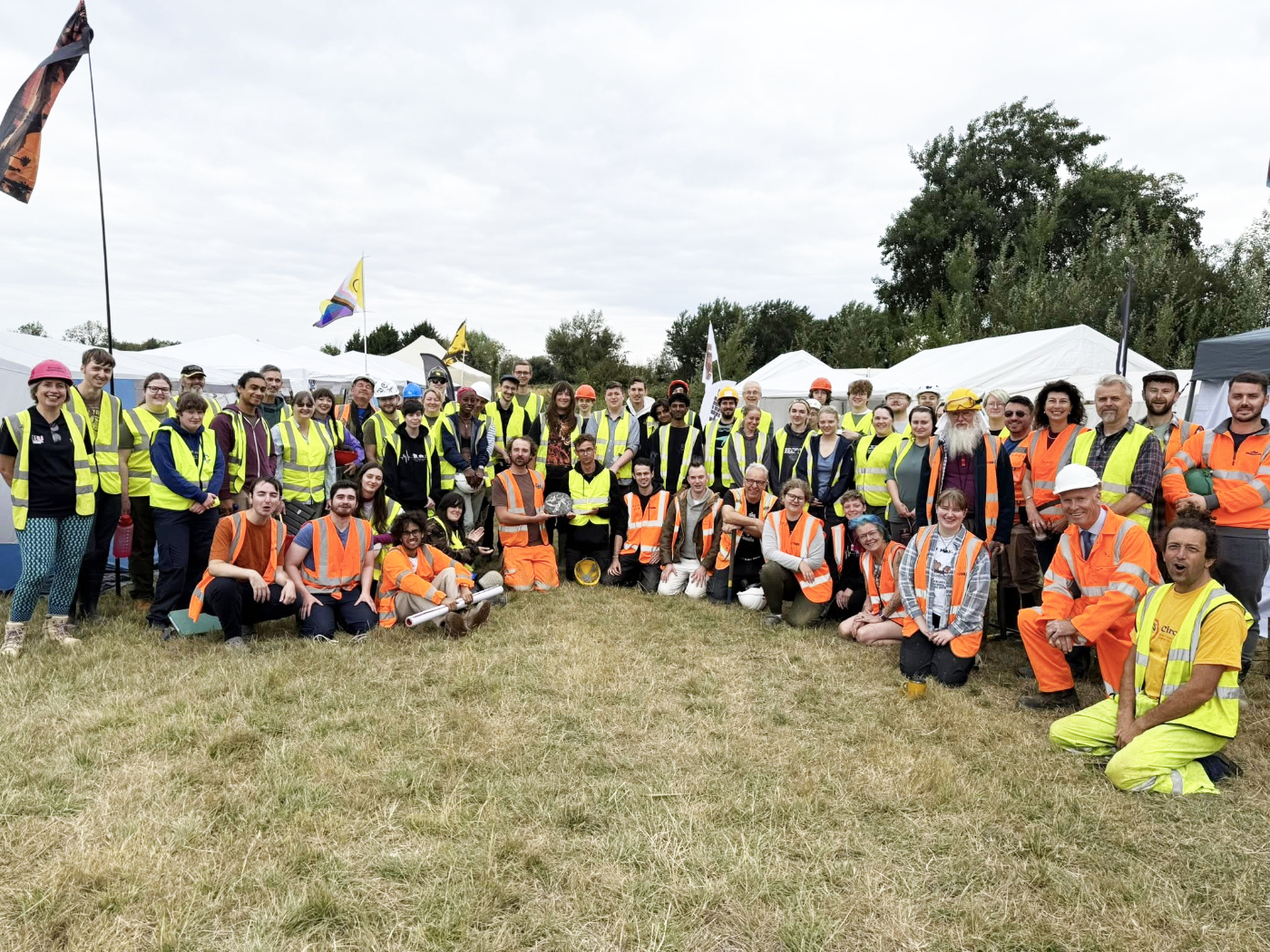
This summer I was part of the mammoth dig at the Cerney Wick Quarry near Swindon — the site often called the “Mammoth Graveyard,” first brought to wider attention by Sally and Neville Hollingworth. The excavation has uncovered remarkable Ice Age material, including mammoth remains found alongside Neanderthal tools, offering rare insight into life in Britain over 200,000 years ago. While the science is world-class, the site itself runs on collective effort, shared responsibility, and a strong sense of community.
My role was practical, physical, and happily unglamorous. I put up gazebos, dug trenches, set up and ran sieving stations, and generally helped keep the site functioning from day to day. I also organised the washing-up rota — a task that turned out to be far more important than it sounds — because a dig with no clean mugs is a dig on the brink of collapse.
In the evenings, the focus shifted from digging to talking. Most nights we gathered in the “little big top” for two talks, given by a wide range of people on site — archaeologists, palaeontologists, students, specialists, and volunteers. The subjects were just as varied as the speakers, and the sessions became a chance to relax, learn something unexpected, and properly get to know the people you’d been digging alongside all day. I helped host these evenings, and occasionally played accordion, helping turn the site into a place where work, learning, and shared experience blended naturally together.
My role was practical, physical, and happily unglamorous. I put up gazebos, dug trenches, set up and ran sieving stations, and generally helped keep the site functioning from day to day. I also organised the washing-up rota — a task that turned out to be far more important than it sounds — because a dig with no clean mugs is a dig on the brink of collapse.
In the evenings, the focus shifted from digging to talking. Most nights we gathered in the “little big top” for two talks, given by a wide range of people on site — archaeologists, palaeontologists, students, specialists, and volunteers. The subjects were just as varied as the speakers, and the sessions became a chance to relax, learn something unexpected, and properly get to know the people you’d been digging alongside all day. I helped host these evenings, and occasionally played accordion, helping turn the site into a place where work, learning, and shared experience blended naturally together.