Aerospace Engineering
An inspiring introduction to how engineers design aircraft and spacecraft, applying maths and physics to solve real-world challenges and shape the future of flight and space exploration.
Talk: Yes | Workshop: Yes | Course: No | Audience: Sixthform, College, Undergraduate
This talk introduces A Level students to the exciting world of aerospace engineering, the field dedicated to designing, building, and testing aircraft, spacecraft, and the systems that make them work. Beginning with the fundamental physics of flight, the session explains how forces, energy, and motion come together to lift planes into the air and send rockets beyond Earth. Students will see how topics they study in maths and physics—such as vectors, calculus, materials, and mechanics—form the foundation of real aerospace design.
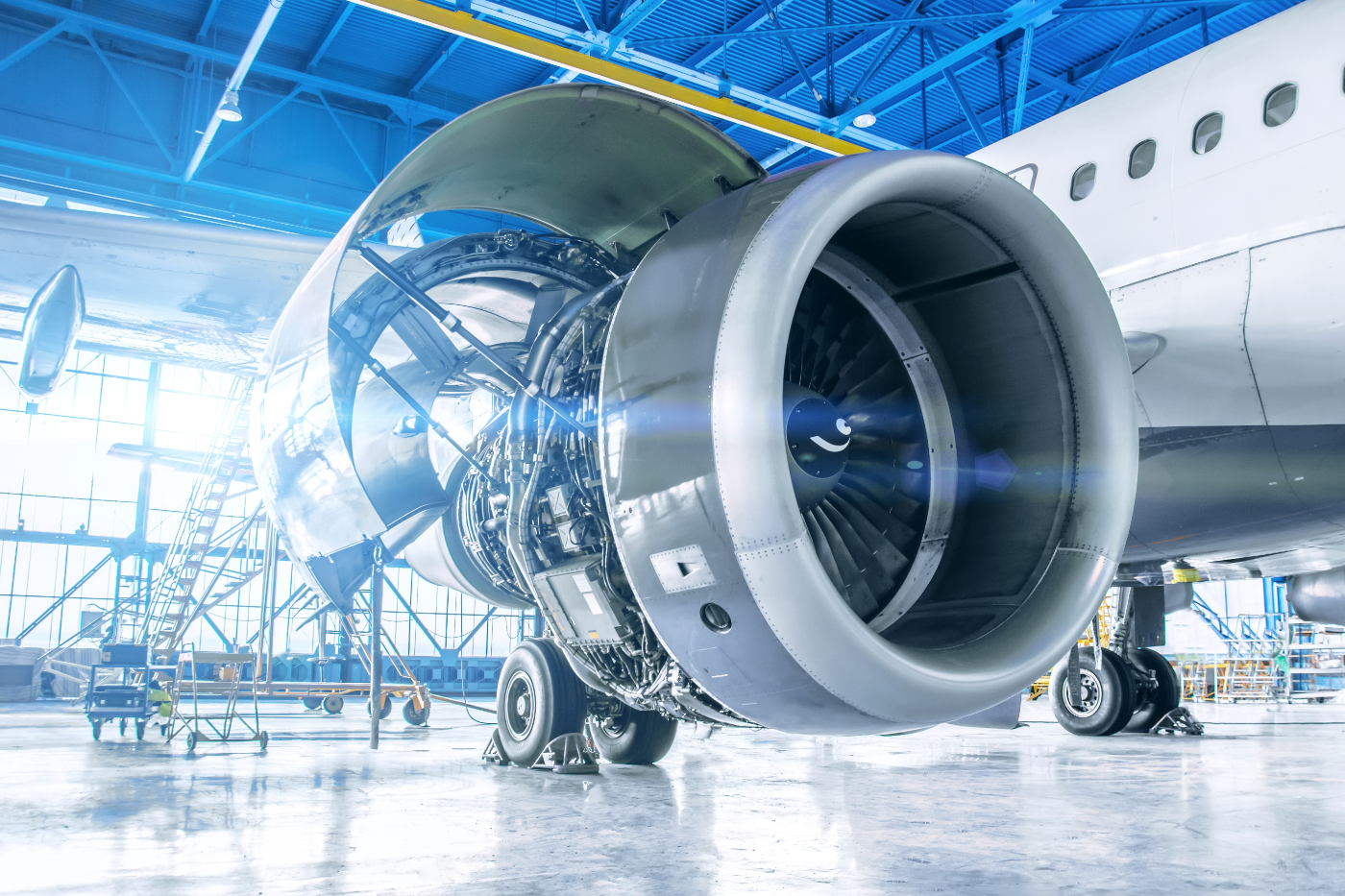
The talk then explores how aerospace engineers turn ideas into working machines. From sketching early concepts and running computer simulations to wind-tunnel testing and prototype construction, each stage of development reveals how engineers balance performance, safety, efficiency, and cost. Real-world examples from aviation, satellites, and space missions show how challenges like extreme temperatures, high speeds, and structural stress are solved through creative problem-solving and careful analysis.
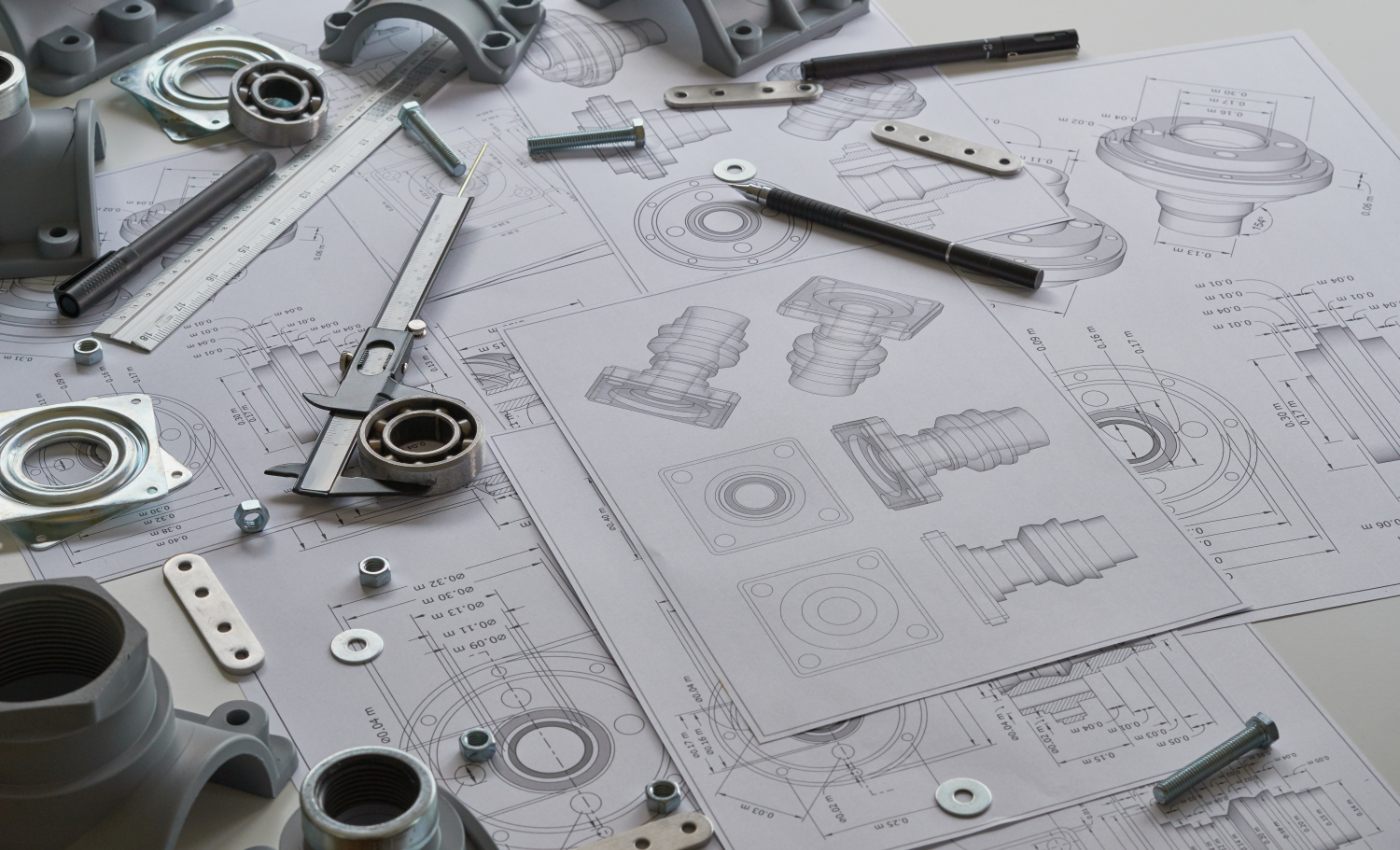
Finally, the session looks at pathways into aerospace careers and the future of the field, including sustainable aviation, reusable rockets, drones, and space exploration. Students will learn what universities and employers look for, what skills matter most, and how different specialisms—from aerodynamics to robotics—fit together in real projects. By the end, aerospace engineering will feel less like a distant dream and more like an achievable, inspiring direction for students interested in science, technology, and discovery.